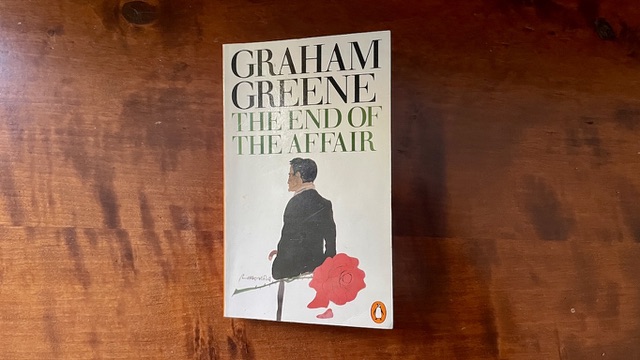
There is one scene in Graham Greene’s The End of the Affair in which the narrator, a writer called Bendrix, eaten up by jealousy of his former lover, meets a private detective he has hired to find out about her latest affair.
The detective, Parkis, is a hard-working and honest man who takes his young son along on his excursions, training him in the art of detecting.
At one point, Bendrix learns that the boy is called Lance and asks why.
‘After Sir Lancelot, sir. Of the Round Table.’
‘I’m surprised. That was a rather unpleasant episode, surely.’
‘He found the Holy Grail,’ Mr Parkis said.
‘That was Galahad. Lancelot was found in bed with Guinevere.’
Why do we have this desire to tease the innocent? Is it envy?
Mr Parkis said sadly, looking at his son as though he had betrayed him, ‘I hadn’t heard.’
There is something in that moment that feels very close to a writer’s instinct. Not cruelty, exactly, but a certain impatience with illusion.
It seems the only illusions they can tolerate are the ones they create themselves.


Hinterlasse einen Kommentar